Reflections on American Public Education in the Early 20th Century
In Part II of "School: The Story of American Public Education," we explore an era of transformation from 1900 to 1950. This period saw significant changes in American Society, including developments in education, evolving attitudes toward immigration, and challenges to equity and inclusion in public schools. At the heart of this historical narrative lies the pervasive belief that education is the gateway to opportunity and progress. As articulated in the quote, "Education as the ticket to the best America had to offer," the prevailing sentiment was one of hope and aspiration, viewing education not merely as a means of acquiring knowledge but as a powerful tool for individual advancement and societal betterment. Indeed, education represented the embodiment of the American dream, offering pathways to upward mobility and the realization of one's fullest potential.
Central to the narrative
of American public education during this period was the pivotal role played by
public schools in the Americanization of immigrants. As reflected in the quote,
"Through the public school, they learned English, and they learned to be
Americans," education served as a unifying force, facilitating the
integration of diverse immigrant populations into the fabric of American
society. Public schools became crucibles of assimilation, imparting not only
language skills but also the values, customs, and ideals that defined American
identity. Figures such as John Dewey loomed large in shaping the educational
landscape of the early 20th century, advocating for a holistic approach to
education that emphasized students' social, emotional, and intellectual development. Although Dewey's philosophical ideals may not have directly
mirrored the specific historical context of this period, they nonetheless
exerted a profound influence on educational theory and practice, fostering
ongoing debates and innovations within the field of education.
However, alongside the
lofty ideals of education as a vehicle for opportunity and social mobility,
this period was also fraught with challenges and inequities. Efforts to
restrict immigration, as evidenced by the quote, "A hue and cry arose in
the popular media to restrict immigration, which Congress eventually did in the
1920s," underscored deep-seated prejudices and xenophobia within American
society. Additionally, the advocacy for industrial and vocational education
targeted at immigrant children perpetuated harmful stereotypes and systemic
inequalities, further exacerbating educational disparities.
When considering how to
educate all children, irrespective of their background or socioeconomic status,
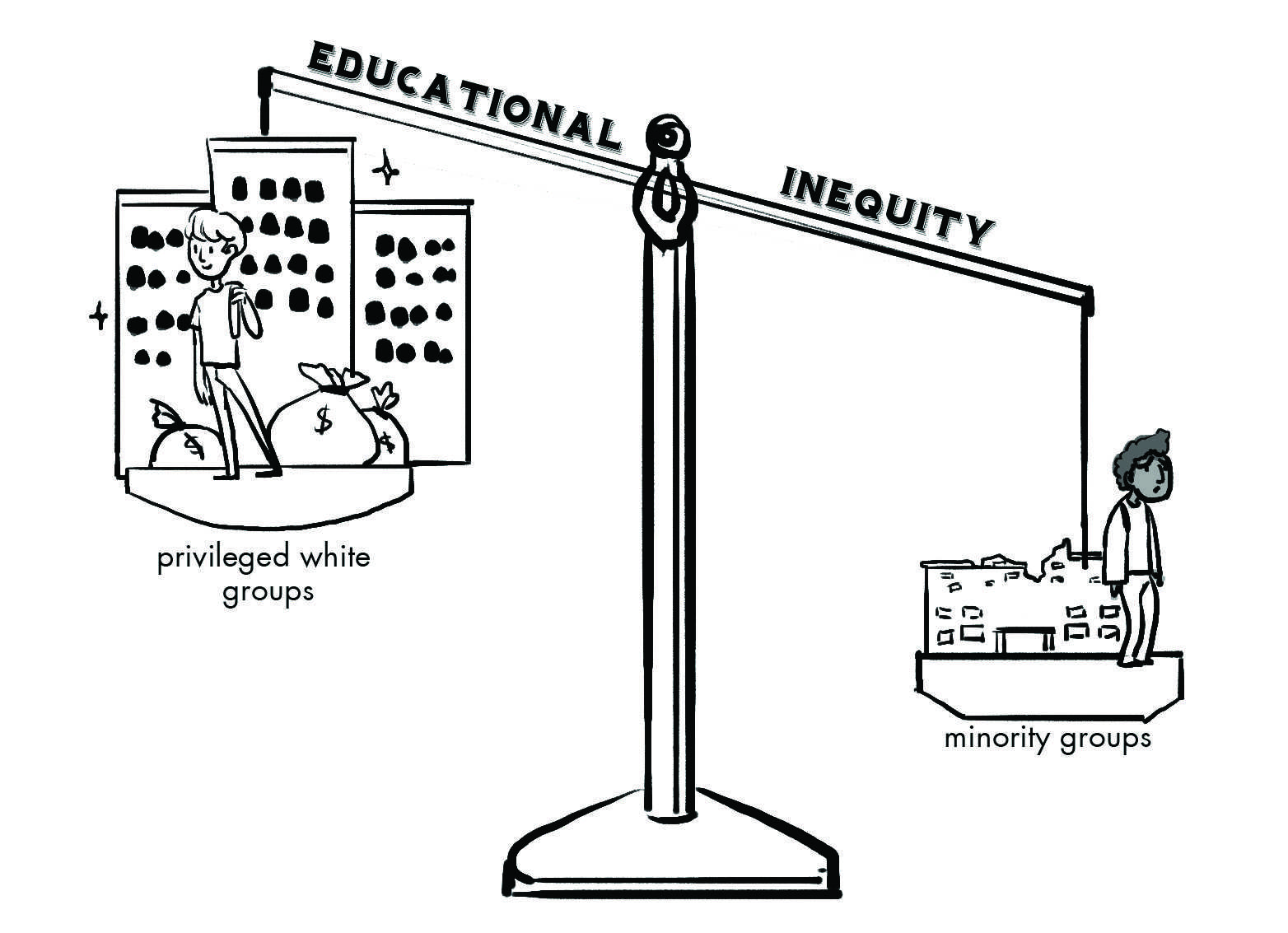
it becomes evident that the current educational system benefits some while
failing others. Research indicates that children from low-income families often
face significant barriers to academic success, including limited access to
resources, nutritional deficiencies, and chronic stress. As highlighted in a
study on "Poverty and Educational Achievement," these disparities
underscore the urgent need for equitable funding, teacher support, curriculum
diversity, and community engagement to ensure all students have access to
high-quality education. The study points out that "Low-income students
often attend underfunded schools with limited resources, exacerbating
educational disparities" (West, 2007). This emphasizes the importance of
addressing systemic inequities in school funding and resource allocation to
level the playing field for all students.
Overall, Part II offers a multifaceted exploration of the historical, philosophical, and societal dimensions of American education during the early 20th century. As we reflect on this period, we are reminded of the enduring significance of education as a catalyst for social change and the ongoing imperative to strive towards equity, inclusion, and opportunity for all of America's children.
References
As American as Public
School: 1900–1950. Preview - as American as Public School: 1900–1950.
(n.d.). https://ffh.films.com/PreviewClip.aspx?id=1540
West, Anne. (2007). Poverty and educational achievement: why do children from low-income families tend to do less well at school?. Benefits: A Journal of Poverty and Social Justice. 15. 10.51952/XLJA4165.

.jpg)
Comments
Post a Comment